








Cacao and cocoa refer to the same plant and the same raw ingredient, but the two words are used differently depending on language, culture, and industry context.
Over time, those differences in usage, rather than any legal or scientific distinction have created the impression that cacao and cocoa are separate products.
This matters because cacao is often associated with quality, craft, or health (superfood), while cocoa is frequently linked to mass-market chocolate (cheap) and sweetened products.
In practice, neither term reliably indicates how a chocolate was made, where it came from, or how it will taste.
In this guide, we explain what cacao and cocoa actually mean, why the terms became separated in modern usage, and what consumers should focus on instead when evaluating chocolate.

Cacao and Cocoa: What They Actually Mean
Cacao and cocoa are two words used to describe the same plant, Theobroma cacao, and the same underlying raw material. There is no botanical distinction and no universally recognized legal distinction instead of absolute. Any product labeled with either term originates from the same fruit and undergoes the same fundamental steps before becoming chocolate.
The difference lies entirely in language, history, and modern usage.
The word cacao entered European languages through Spanish, derived from Indigenous Mesoamerican terms used to describe the fruit and its seeds. Cocoa emerged later as the English adaptation of the same word. Over time, these parallel terms developed different connotations, despite referring to the same ingredient.
Today, cacao is commonly used in contexts that emphasize craft, origin, or minimal processing, while cocoa is more often associated with baking ingredients, confectionery, and mass-market chocolate products. These associations reflect marketing choices and cultural habits not differences in the ingredient itself.
From a processing standpoint, both cacao and cocoa follow the same path: harvested pods, fermented seeds, drying, roasting, and refinement into products such as chocolate liquor (mass), butter, powder, or finished chocolate. Flavor, quality, and nutritional composition are determined by these steps, not by which word appears on the label.
Understanding this distinction is essential, because the term used tells you more about how a product is positioned than how it was actually made.
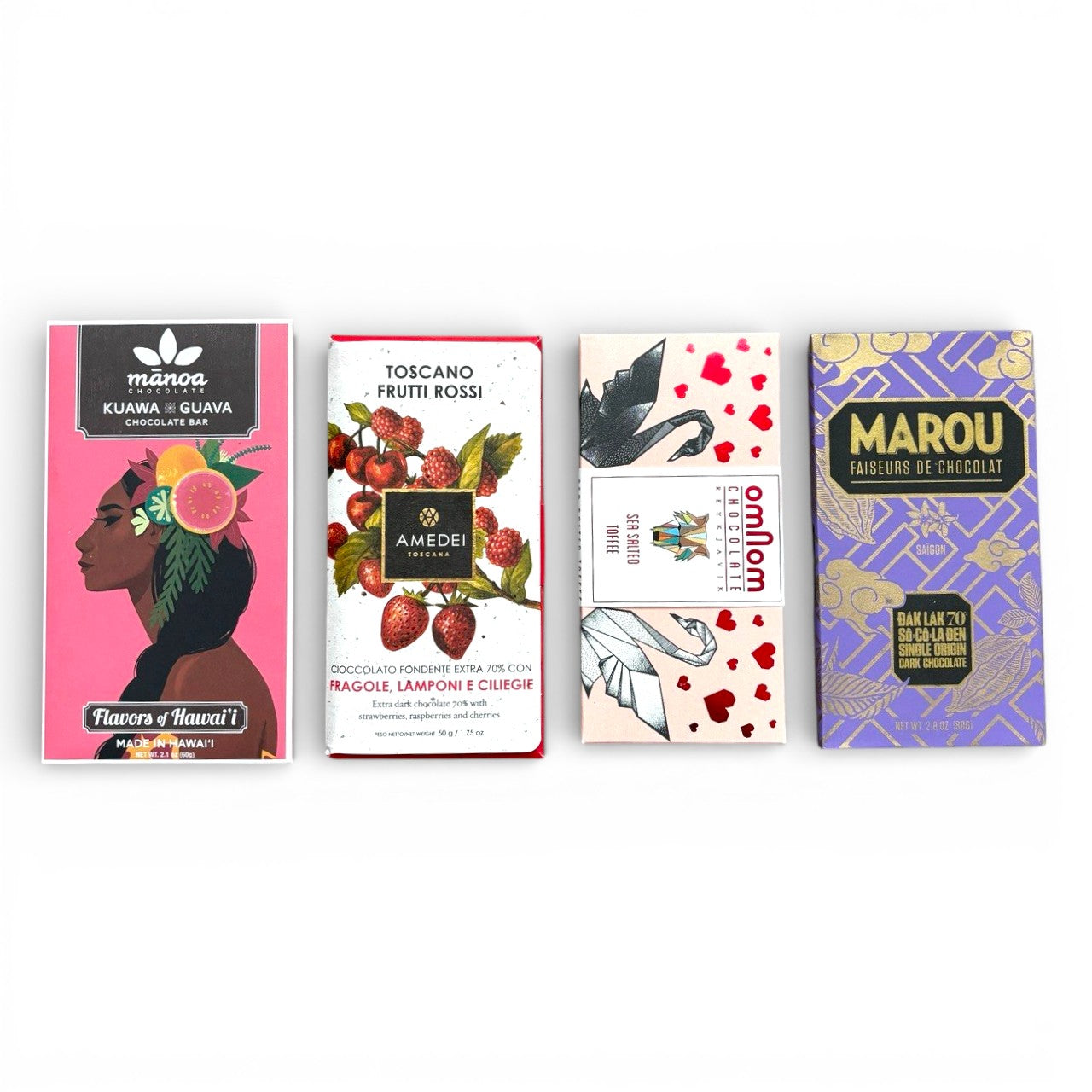
Cacao and cocoa are different words for the same ingredient. The term on the label can suggest how a product is positioned, but it does not determine quality, processing, or flavor. What matters more is where the cacao was grown, how it was handled, and how thoughtfully the chocolate was made. Understanding this helps you choose chocolate more intentionally. If you’re interested in discovering quality chocolate from different regions, start with our chocolate subscription box, where we curate exceptional bean-to-bar chocolate bars from around the world, or explore our individual bars featured in past boxes.