










For many people, the morning coffee ritual feels non-negotiable. The aroma, the warmth, and the familiar caffeine boost are deeply ingrained in daily life. For some, however, coffee can also come with downsides, including feelings of overstimulation, jitters, or heightened anxiety.
Interest in coffee alternatives has grown over the past few years. Options such as functional mushrooms and cacao have entered the conversation.
Cacao, in particular, has quietly re-emerged in discussions around morning routines. Rather than delivering the sharp intensity associated with coffee, cacao is often described as offering a slower, more gradual form of alertness.
This article explores why some people choose cacao instead of coffee in the morning, what cacao actually is, and how its effects differ.
What is Cacao?
Cacao comes from the seeds of the Theobroma cacao tree, which grows in tropical regions typically near the equator.
These seeds are the raw starting point for all chocolate, even white chocolate.
After harvesting and fermentation, cacao is processed into foundational chocolate components such as chocolate liquor, cocoa butter, and cocoa solids, which are then used to produce everything from high-percentage dark chocolate to candy.
When we refer to “drinking cacao,” we are not talking about instant hot cocoa mixes, which are typically made from cocoa powder combined with sugar, milk solids, and flavoring.
Drinking cacao, by contrast, generally uses higher-cacao formulations with fewer additives, resulting in a richer, less sweet, and more chocolate-forward cup where sweetness and texture can be adjusted after preparation.
Examples of drinking chocolate include solid cacao formats designed to be melted into a beverage rather than mixed from powder. Products such as Qantu drinking chocolate and Taza stone-ground discs are made from whole cacao and cocoa butter, allowing the drinker to control sweetness and texture during preparation. These formats are distinct from hot cocoa mixes and reflect a more forward drinking experience.
Cacao vs Coffee
Cacao and coffee are often compared because both contain naturally occurring stimulants, yet the experience they produce is notably different. The distinction is less about strength and more about how each interacts with the body and the pace at which its effects are felt.
Coffee’s primary stimulant is caffeine, which is rapidly absorbed and tends to produce a quick, pronounced sense of alertness. For many people, this fast-acting stimulation is effective but can also feel abrupt or intense. Cacao, by contrast, contains much smaller amounts of caffeine and is instead characterized by the presence of theobromine, a related compound that is absorbed more slowly. Theobromine is commonly described as creating a steadier, more gradual form of stimulation. Rather than a sharp spike in energy, cacao is often associated with a longer-lasting sense of focus and warmth. Because of this difference, cacao has historically been used in ceremonial, social, or reflective contexts, where sustained attention and experience are emphasized over immediate productivity.

Craft Chocolate
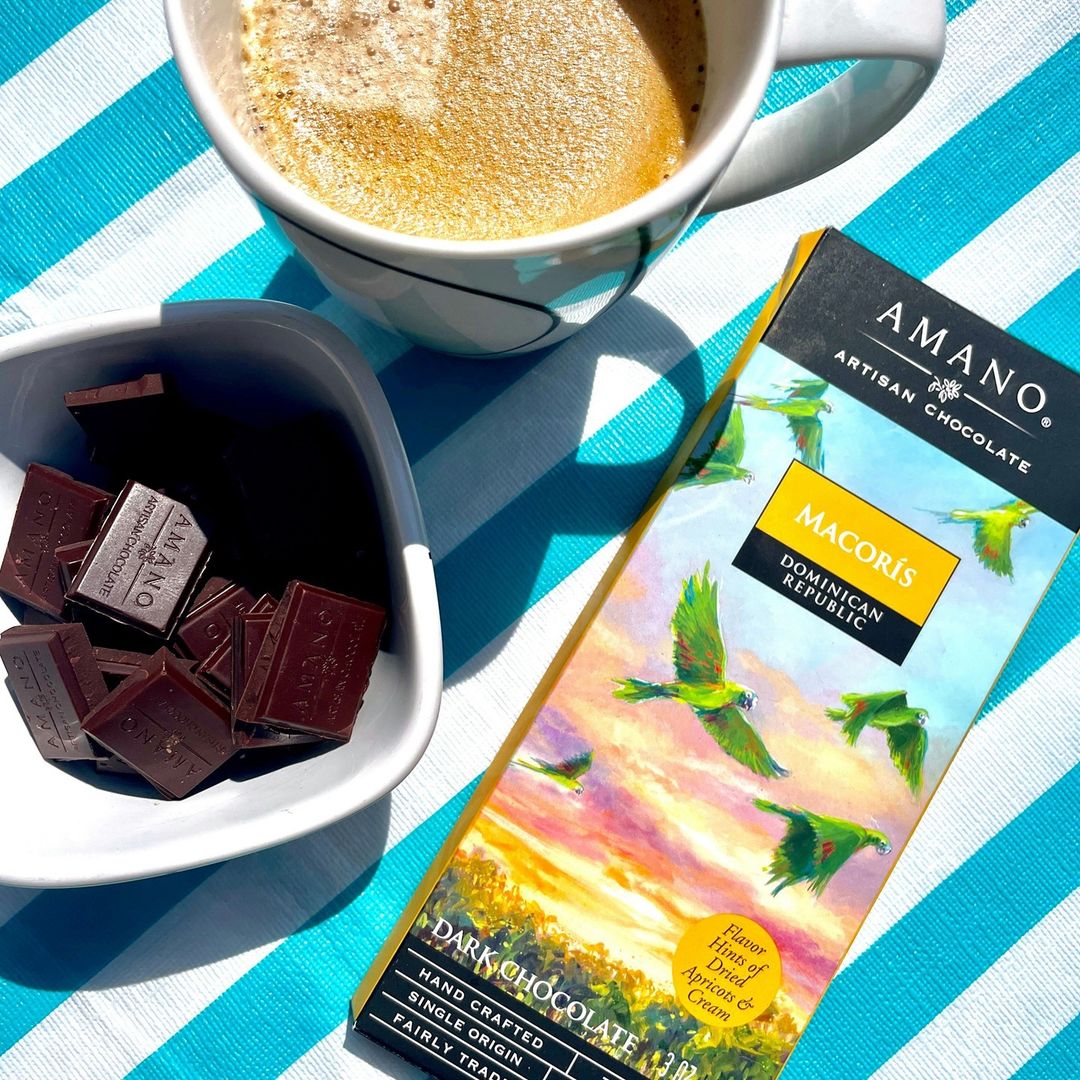
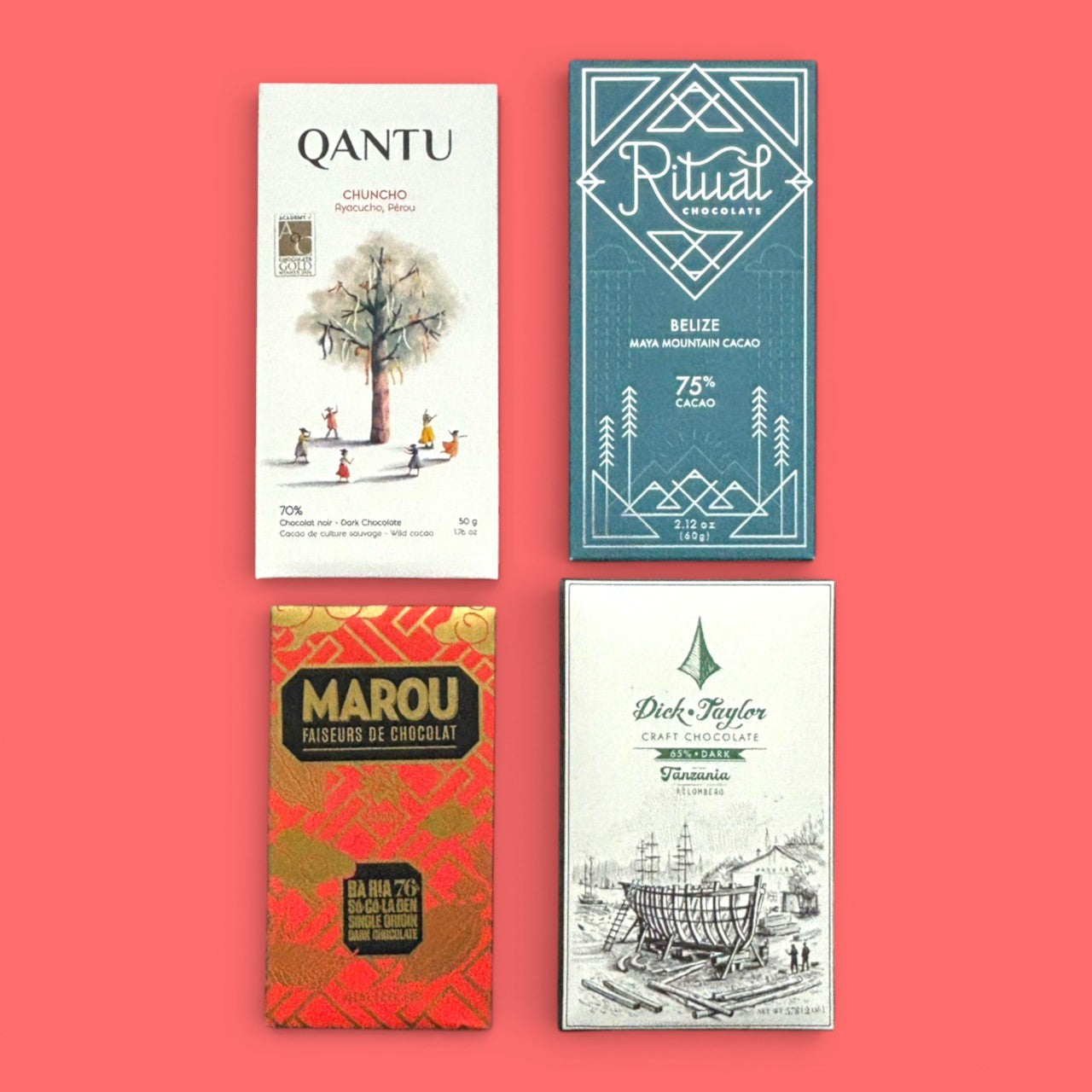
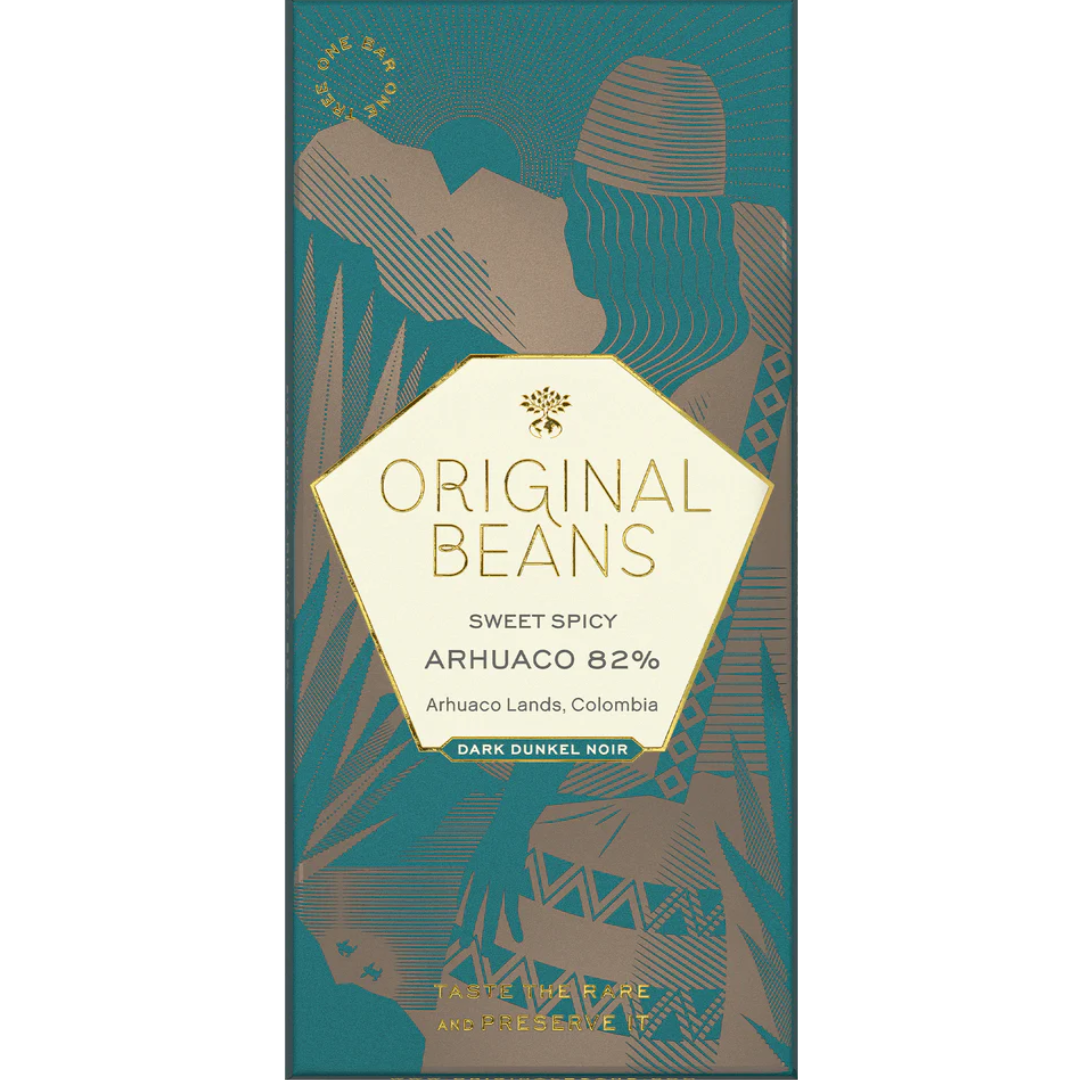
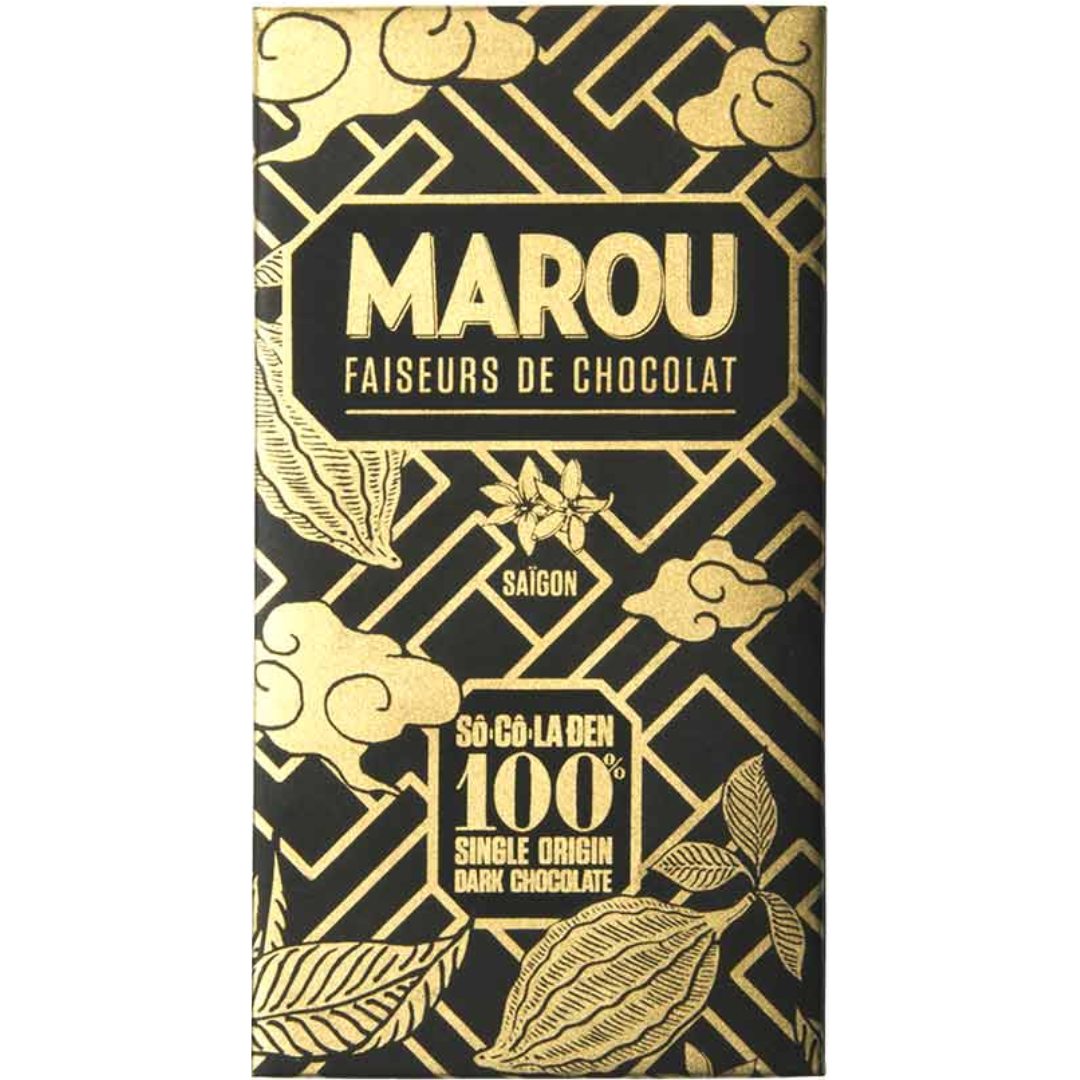
For most people today, cacao is experienced not as a beverage but through thoughtfully made dark chocolate. Craft chocolate makers emphasize the character of the cacao itself, focusing on factors such as origin, fermentation, and processing methods that shape flavor rather than masking it. Because craft chocolate contains both cacao solids and cocoa butter, it can also be gently melted into a drinking chocolate, producing a richer, fuller-bodied cup than beverages made from cocoa powder. For those drawn to cacao for its taste, depth, or cultural history, exploring minimally processed dark chocolate is often the most accessible and meaningful way to engage with cacao.
Is Drinking Cacao Instead of Coffee in the Morning for You?
Whether cacao works as part of a morning routine depends largely on how your body responds to stimulation and what you expect from it. Cacao contains small amounts of caffeine along with theobromine, which many people experience as gentler and less abrupt than coffee.
For those who are sensitive to caffeine or find coffee overly stimulating, cacao may feel more balanced, while people who rely on a strong caffeine boost may find it insufficient on its own.
Ultimately, cacao is not a replacement for coffee in every case, nor does it need to be. For some, it offers a different relationship to flavor, stimulation, and ritual, one that prioritizes experience over intensity. For others, coffee and cacao simply serve different roles at different times of the day.

For those curious about cacao beyond beverages, craft chocolate is where cacao is most often experienced today. The Kekao Box curates a rotating selection of specialty chocolate bars that highlight cacao origin, flavor, and minimal processing. Individual bars are also available for those who prefer to explore at their own pace.